Homeschool Pods in Los Angeles: How They Work and How to Find One
 September 28th
- 2 weeks ago
-
Homeschool
-
Share this post
 September 28th
 2 weeks ago
Quick Answer:
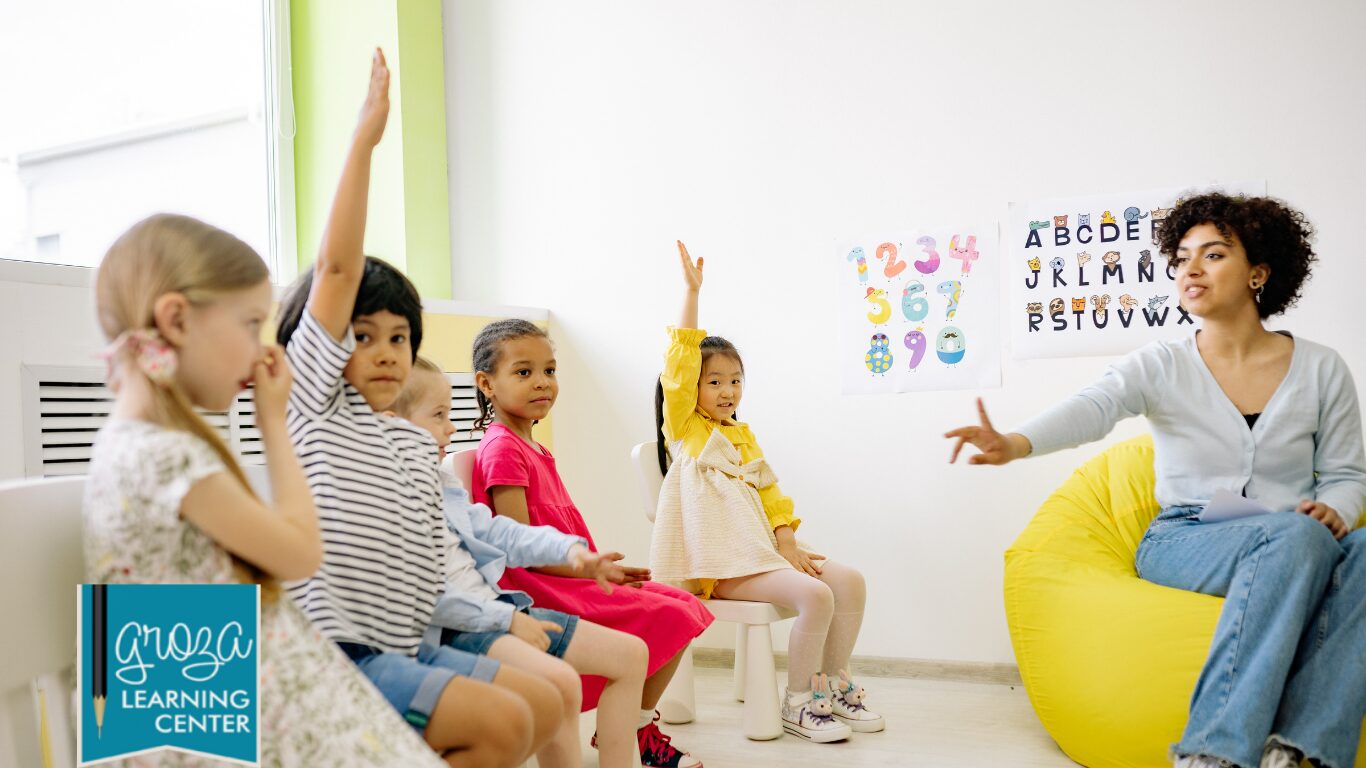
What Is a Homeschool Pod?A homeschool pod (also called a learning pod or micro-school) is a small group of homeschooled children — typically 2–8 students — who learn together, often in a shared space or learning center. Pods combine the flexibility of homeschool with the social benefits of group learning. In Los Angeles, pods may meet at a home, community space, or dedicated learning center several days per week.
There is no single structure that defines every homeschool pod. Some are parent-led, some hire teachers or tutors, and others use learning centers for academic instruction or enrichment.
That flexibility can be an advantage, but it also means parents should understand exactly what a pod provides before joining.
Homeschooling gives families flexibility, but learning at home doesn’t always mean learning alone.
For some Los Angeles families, homeschool pods offer a middle ground between independent homeschooling and a traditional classroom. Students can learn alongside a small group of peers while families maintain much of the flexibility and personalization that make homeschooling appealing.
Homeschool pods can be especially valuable for families looking for more social interaction, academic structure, or access to teachers and tutors without returning to a full-time traditional school environment.
If you’re searching for homeschool pods in Los Angeles, here’s what you need to know about how they work, how they compare with hybrid homeschooling, and what to look for before joining one.
What Is a Homeschool Pod?
A homeschool pod is a small learning group formed by homeschool families.
Instead of children completing all of their learning independently at home, several students come together for part of their education.
The students may be similar in age, academic level, interests, neighborhood, or educational goals.
Some pods focus primarily on core academics such as math, reading, science, and writing. Others are built around enrichment, projects, social interaction, or specific interests.
Who provides instruction also varies.
A homeschool pod may be:
- Led by one or more parents
- Supported by a private teacher
- Led by a tutor
- Organized around an online curriculum
- Supported by a learning center
- A combination of several approaches
The small-group structure is one of the main differences between a pod and a conventional classroom.
Instead of learning in a class of 20 or 30 students, children may learn with only a handful of peers.
This can create more opportunities for individual attention while preserving a group-learning experience.
How Homeschool Pods Work in LA
There is no universal model for homeschool pods in Los Angeles.
A pod in West LA may operate very differently from one in another part of the city.
Some groups meet two or three mornings each week. Others may meet most weekdays. Some focus on academic subjects, while others use pod time primarily for enrichment and social learning.
A typical week might include structured academic instruction on certain days and independent home learning on others.
For example, students might meet on Monday, Wednesday, and Friday for math, writing, science, and collaborative projects. Tuesday and Thursday could be used for independent coursework, reading, tutoring, extracurricular activities, or family-led learning.
Where Do Homeschool Pods Meet?
Pods can meet in many settings, including:
- A family’s home
- A tutor or teacher’s space
- A community center
- A library or other appropriate community location
- A dedicated learning center
- Online
- A combination of in-person and online environments
Los Angeles families may also build schedules around athletics, acting, music, dance, travel, or other commitments.
Who Chooses the Curriculum?
That depends on the pod.
Some families agree on one curriculum for the entire group. Others allow each student to follow an individual homeschool curriculum while meeting together for selected subjects.
A learning pod might also use a teacher or academic center to provide specific instruction while parents remain responsible for other parts of their child’s education.
Before joining, parents should know who chooses the curriculum, who provides instruction, how progress is monitored, and who maintains required academic records.
Homeschool Pod vs. Hybrid Homeschool — What’s the Difference?
Homeschool pods and hybrid homeschooling can look similar, but they aren’t necessarily the same thing.
A homeschool pod is generally defined by the small group of students learning together.
A hybrid homeschool program is generally defined by how learning time is divided between structured instruction and learning at home.
| Feature | Homeschool Pod | Hybrid Homeschool |
|---|---|---|
| Main Idea | Small group of homeschool students learning together | Combination of structured instruction and home learning |
| Group Size | Often small, such as 2–8 students | Varies by program |
| Schedule | Determined by participating families or program | Usually follows a defined weekly structure |
| Instruction | May be parent-, tutor-, or teacher-led | Usually includes scheduled professional instruction |
| Curriculum | May be shared or individualized | Often coordinated through the program |
| Parent Role | Can be significant depending on the pod | Depends on the program |
| Social Interaction | Built around a small peer group | Depends on program structure |
| Flexibility | Usually high | Moderate to high |
A program can also be both.
For example, a small group of homeschool students could attend structured academic sessions at a learning center two or three days per week. That arrangement could have characteristics of both a homeschool pod and hybrid homeschooling.
Parents interested in that model can read our guide to hybrid homeschool in Los Angeles.
Benefits of Homeschool Pods for Teens
Parents searching for a homeschool pod for teens in LA may have different priorities from families with younger children.
By middle and high school, academic expectations increase and students often want more interaction with peers.
A pod can help address both needs.
More Social Interaction
One concern families sometimes have about homeschooling is whether their teen will have enough opportunities to interact with other students.
A pod creates regular opportunities for students to learn, discuss ideas, collaborate, and build relationships with a smaller peer group.
This doesn’t replace every type of social experience, but it can become one part of a broader homeschool community.
Smaller Learning Environment
Some teenagers feel lost or distracted in large classrooms.
A small pod can create a quieter environment where students have more opportunities to participate, ask questions, and receive feedback.
Greater Flexibility
Teenagers involved in competitive athletics, acting, dance, music, entrepreneurship, travel, or other demanding activities may find a traditional school schedule difficult.
A homeschool pod can potentially provide more scheduling flexibility while preserving academic structure.
Individualized Academic Support
Teenagers don’t always progress at the same level in every subject.
A student may be advanced in math while needing more support in writing.
Smaller learning environments can make it easier to identify these differences and provide additional support where needed.
Independence With Accountability
As students get older, they need to become more responsible for their own schedules and assignments.
Too little structure can make that transition difficult.
A pod can give teens room to work independently while still providing regular check-ins, deadlines, instruction, and accountability.
College and Test Preparation
High school homeschool students also need to think ahead.
Depending on their goals, they may need support with academic planning, transcripts, standardized tests, SAT or ACT preparation, college applications, or advanced coursework.
Parents choosing a pod for a teenager should ask how these needs will be handled.
How to Find a Homeschool Pod in Los Angeles
If you’re searching online for a “homeschool pod near me,” start by thinking about what you actually want from the pod.
Are you primarily looking for social interaction?
Do you need academic instruction?
Are you looking for two days per week or five?
Does your child need individual tutoring alongside the group?
Are you looking specifically for elementary students, middle school students, or teens?
Once you know your priorities, you can narrow your search.
Ask Other Homeschool Families
Local homeschool communities can be valuable sources of information.
Other parents may know about existing pods, co-ops, classes, enrichment programs, or families looking to form a new group.
Search by Neighborhood
Los Angeles is geographically large, so location matters.
Searching specifically for terms such as “homeschool pod West LA” or a pod in your particular neighborhood can produce more practical options than a citywide search.
Think carefully about commute time. A great program may not be sustainable if your family spends hours driving each week.
Look at Homeschool Learning Centers
Learning centers can provide another option for families who want pod-style learning but don’t want to organize everything themselves.
A center may provide academic instruction, tutoring, enrichment, test preparation, or individualized support alongside a family’s homeschool curriculum.
Consider Creating Your Own Pod
Some families create a pod themselves.
If several families have similar goals and schedules, they may agree to meet regularly and share resources or hire an educator.
If you take this approach, establish expectations before beginning.
Discuss curriculum, location, schedule, costs, teaching responsibilities, attendance, communication, academic expectations, and what happens when a family leaves the pod.
Most importantly, each family should understand the legal educational arrangement being used for their child.
What to Look for in a Homeschool Pod Program
Not every pod will be a good fit simply because it is small or nearby.
When evaluating a learning pod in Los Angeles, consider these factors.
1. Group Size
Ask how many students participate and whether that number changes.
A small group can allow more individualized attention, but the instructor still needs to manage differences in age, ability, and learning style.
2. Age and Academic Levels
A pod with students of different ages can work well, but parents should understand how instruction is differentiated.
Ask how the program supports students working above or below the group’s general academic level.
3. Instructor Qualifications
Find out who will actually work with your child.
Is instruction parent-led? Is there a teacher? A tutor? Several subject specialists?
The answer should match what you’re expecting from the program.
4. Curriculum
Ask whether the pod provides a curriculum or works alongside the family’s existing program.
Parents should know what students will study and how academic progress will be measured.
5. Schedule
A pod needs to work with your family’s real life.
Consider meeting days, hours, commute time, extracurricular activities, and how much work will need to be completed at home.
6. Individual Support
Small groups are valuable, but some students still need individual attention.
Ask what happens when a student struggles with a particular concept or needs to move at a different pace.
7. Social Fit
Academic quality matters, but so does the group itself.
For teens in particular, consider whether the pod provides an environment where your child feels comfortable participating and connecting with peers.
8. Legal and Record-Keeping Responsibilities
A homeschool pod is an educational arrangement, not automatically a legal school classification.
Families should know who maintains records, who issues grades or transcripts where applicable, and which California educational pathway their child is using.
Parents should not assume that joining a pod automatically satisfies California homeschool requirements.
Are Homeschool Pods Accredited?
A homeschool pod itself is not automatically accredited.
Some pods may work alongside an accredited school or program. Others function as supplemental learning groups while families independently manage their homeschool education.
This distinction is especially important for high school students.
Parents should ask:
- Is the program accredited?
- If so, by which accrediting organization?
- Who issues transcripts?
- Who records high school credits?
- How are graduation requirements managed?
- Who maintains student records?
- What happens if the student transfers schools?
Accreditation is also separate from California’s legal requirements for educating a child at home.
Families interested specifically in accredited options can read Accredited Homeschool Program: A Personalized Approach.
For a broader look at the available models, see our guide to homeschool programs in Los Angeles.
How Groza Supports Homeschool Pod Learners
Families don’t necessarily need to choose between participating in a homeschool pod and receiving individualized academic support.
Groza Learning Center can work alongside a family’s existing homeschool or pod curriculum to provide additional structure and instruction.
Individual Academic Support
A student may enjoy learning with a pod but still need additional help in a specific subject.
Individual instruction allows that student to work directly on areas that need improvement without changing the experience of the entire group.
Enrichment
Some homeschool families want opportunities to extend learning beyond their core curriculum.
Additional academic support can provide greater challenge in a student’s strongest subjects or help them explore areas that aren’t fully covered within the pod.
Test Preparation
For middle and high school students, standardized testing and school or college admissions may become increasingly important.
Groza can provide test-preparation support alongside a student’s regular homeschool studies.
Support for Teen Learners
Teen homeschoolers often need a different kind of support from younger students.
They may be balancing more advanced courses, larger assignments, extracurricular commitments, test preparation, and plans for college.
Individual academic guidance can complement the social and collaborative benefits students receive from their pod.
Flexible Support for Los Angeles Families
Families can use Groza’s services alongside their existing homeschool arrangement rather than necessarily replacing it.
This can help parents fill academic gaps while preserving the parts of their current pod or homeschool program that are already working well.
Learn more about Groza’s homeschool programs and support.
Is a Homeschool Pod Right for Your Child?
Homeschool pods can give families something that is sometimes difficult to create through independent homeschooling alone: a consistent small-group learning community without giving up all of homeschooling’s flexibility.
Students can learn alongside peers, participate in discussions and collaborative activities, and receive additional academic structure while families maintain greater control over their schedules and educational choices.
But the quality and structure of pods vary significantly.
Before joining one, look beyond the name.
Ask who teaches, what students learn, how often they meet, how individual needs are addressed, what parents are expected to do, and how academic records are handled.
For teenagers, also think about the future. Academic planning, high school credits, transcripts, test preparation, and college goals should be part of the conversation.
The best homeschool pod isn’t necessarily the closest or largest.
It’s the one that provides the right combination of academic support, flexibility, community, and individual attention for your child.
Groza Learning Center works with homeschool pod families across Los Angeles — providing structured academic support, enrichment, and test prep alongside your pod curriculum.
Frequently Asked Questions (FAQs)
A homeschool pod is a small group of homeschooled students who meet regularly to learn together.
Pods may be parent-led or supported by teachers, tutors, online curricula, or learning centers. Their schedules, curriculum, and structure vary widely.
Homeschool pods are typically designed to remain small. Some may include only a few students, while others are somewhat larger.
A group of approximately 2–8 students is common in pod-style learning, but there is no official size that defines a homeschool pod.
It depends on the group.
Some pods meet once or twice per week for enrichment or social activities, while more structured learning pods may meet several days each week.
Families should ask what happens during pod days and what work students are expected to complete independently.
Yes, homeschool families can form or participate in learning groups for middle and high school students as well as younger children.
When looking for a homeschool pod for teens, consider academic level, peer fit, high school coursework, transcripts, standardized testing, and college preparation in addition to the social environment.
The terms can overlap.
A homeschool co-op often involves families sharing teaching or organizational responsibilities, while a pod is typically a smaller group that learns together and may hire a teacher or tutor.
There is no universal definition, so parents should evaluate what the specific group actually provides.
Not always.
The terms are sometimes used interchangeably, but a micro-school may operate more like a small private educational program, while a homeschool pod may simply be a group of independently homeschooling families learning together.
Parents should look at the program's actual structure rather than relying on the name.
Families in a homeschool pod still need to make sure each child's education follows an appropriate California educational pathway.
Simply joining a pod does not automatically satisfy the state's requirements.
Parents should understand who is legally responsible for instruction, enrollment, attendance, and required records.
Start with local homeschool communities, parent groups, learning centers, homeschool organizations, and neighborhood-specific searches.
For Los Angeles families, narrowing the search by area—such as West LA—can help identify options with a realistic commute.

Tatyana Yukhtman is the founder and director of Groza Learning Center. A Harvard Kennedy School and UCLA graduate with over 25 years in education, she has helped thousands of LA students build the executive functioning skills they need to succeed.

Want to learn more about Our
If you prefer to schedule a call, click here to book a consultation
 Similar Articles